
The US Dollar, long considered the world’s strongest and most trusted reserve currency, is now showing clear and persistent signs of weakness. Over the past few months, the US Dollar Index (DXY) has slipped sharply, sparking serious discussions across global financial markets. Investors, traders, economists, and policymakers are all trying to understand what’s driving this sudden shift in currency strength.
From changing Federal Reserve interest rate expectations to evolving global economic conditions and rising risk appetite, multiple factors are coming together to push the dollar lower. In this article, we take a deep and detailed dive into why the US Dollar is falling, what’s behind the ongoing DXY freefall, and how this trend could influence global markets, investments, commodities, and currencies in the months ahead.
The US Dollar Index (DXY) Explained
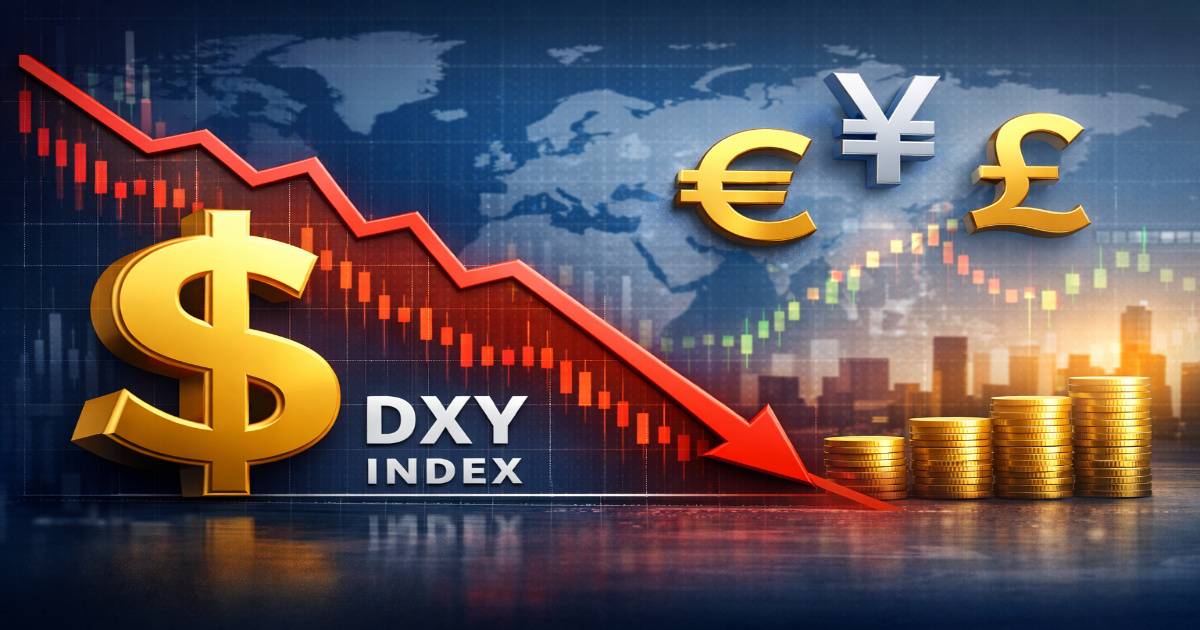
The DXY (US Dollar Index) tracks the US Dollar against a basket of six major currencies, including the Euro, Japanese Yen, and British Pound. When the DXY falls, it signals that the dollar is weakening compared to its global peers.Recently, the DXY has seen a significant drop, causing ripples across global financial markets.
Why the Dollar is Falling
1. Expectations of Slower Rate Hikes
Investors are now betting that the Federal Reserve may slow down its interest rate hikes or even cut rates in the near future. Lower interest rates make dollar-denominated assets less attractive, prompting investors to move capital elsewhere.
2. Stronger Economic Signals From Other Countries
While the US still faces moderate inflation, other economies — like the Eurozone and Japan — are showing signs of growth and stability. This makes foreign currencies more appealing, reducing demand for the dollar.
3. Rising US Trade Deficit
The US continues to import more than it exports, increasing the supply of dollars in global markets. When supply rises without a matching increase in demand, the dollar naturally weakens.
4. Market Sentiment and Risk Appetite
When investors are willing to take on more risk, they often move funds to stocks, commodities, and emerging markets, reducing reliance on the safe-haven dollar.
Effects of a Weakening Dollar
- Higher commodity prices: Oil, gold, and other imports become costlier in dollar terms.
- Boost for exporters: US goods become cheaper abroad, helping companies that sell internationally.
- Market volatility: Currency fluctuations can cause uncertainty in equities and bonds.
What to Watch Next
- Federal Reserve updates: Rate decisions and policy guidance.
- US economic indicators: Inflation, GDP growth, and employment data.
- Global developments: Trade agreements, geopolitical tensions, and foreign economic growth.
- Performance of other currencies: Euro, Yen, Pound, and emerging market currencies.
FAQs
What is the DXY index?
The DXY index measures the US Dollar against a basket of six major currencies, including the Euro, Yen, and Pound. It shows the overall strength or weakness of the dollar globally.
Why is the US Dollar falling?
The main reasons include slower expected interest rate hikes, stronger foreign economies, high US trade deficits, and increased investor risk appetite away from the safe-haven dollar.
How does a weak dollar affect global markets?
A weaker dollar increases the cost of imports for the US, makes US exports cheaper, and can cause volatility in global currency and stock markets.
How should investors respond to a falling dollar?
Investors should monitor Fed updates, global economic indicators, and diversify portfolios to hedge against currency risk. Commodities and foreign investments may offer opportunities during a dollar decline.
Conclusion
The depreciation of the US Dollar can significantly affect domestic and international economic dynamics. A weaker dollar may enhance the competitiveness of American exports, potentially boosting the manufacturing sector. However, it simultaneously raises the cost of imports, leading to inflationary pressures for consumers and businesses alike. Vigilance regarding Federal Reserve strategies and international economic indicators will be essential for stakeholders to mitigate risks associated with a declining dollar.